
Table of Contents
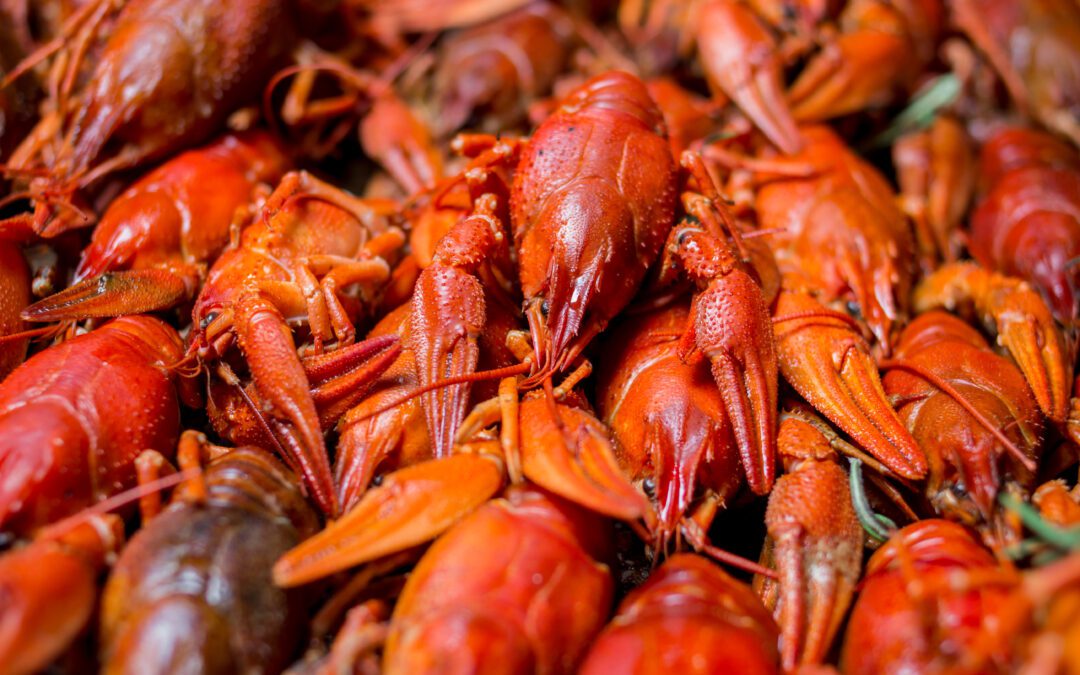
Sustainability commitments, environmental, social and governance (ESG) reporting, and tightening global regulatory pressures are transforming coating design strategies.[1] Coatings manufacturers are being driven to reduce petrochemical dependency, lower environmental impact, and deliver safer chemistries while maintaining performance.[2] Among emerging bio-based polymers, chitosan stands out as a multifunctional renewable material offering environmental compatibility alongside meaningful performance benefits for coatings.[3] Derived from crustacean shells, fungal biomass, and insect exoskeletons, chitosan is abundant and chemically unique as the only naturally occurring alkaline polysaccharide that can be engineered by controlling degree of deacetylation, molecular weight, and salt form.[4,5]
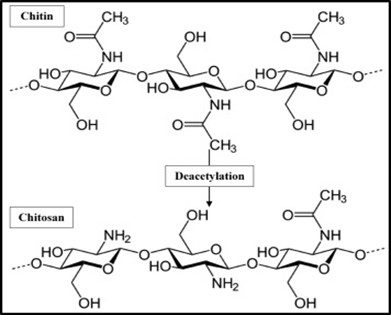
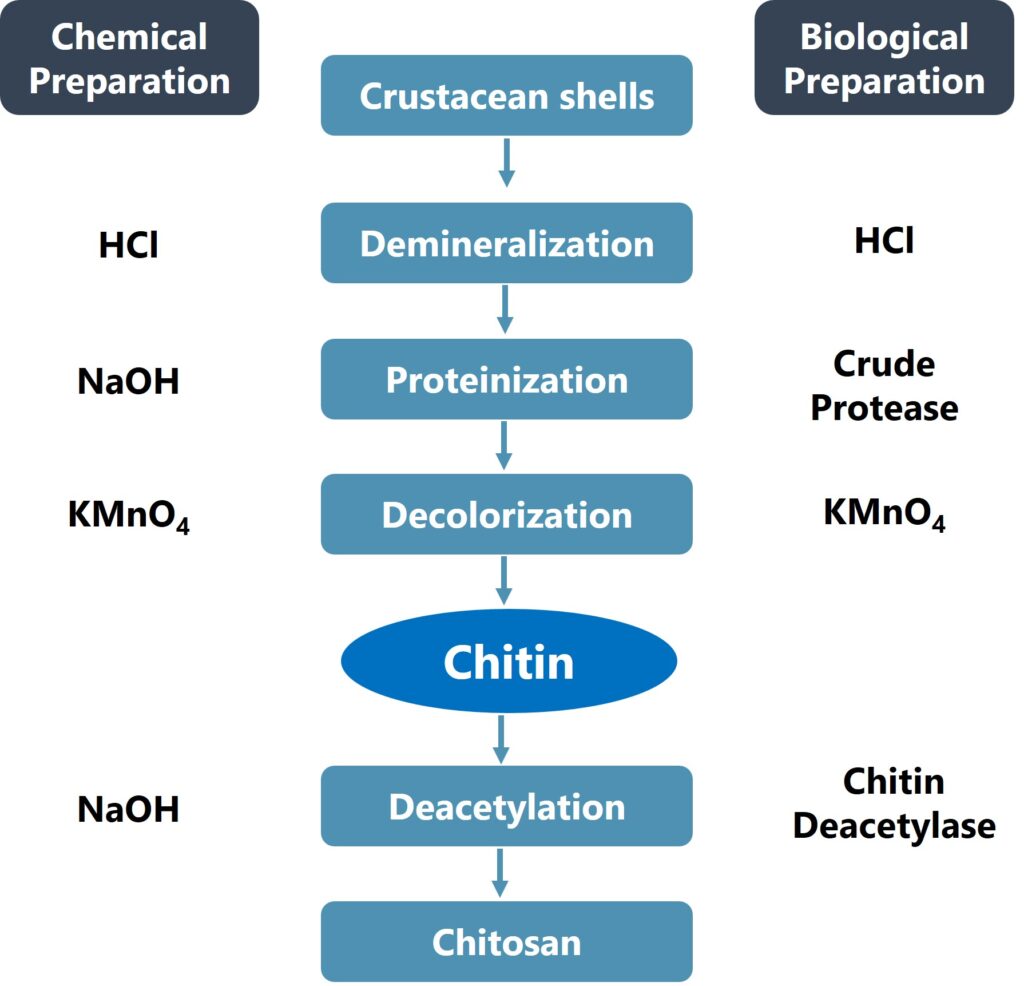
Using crustacean waste in the process illustrated in Figure 2, chitosan pricing translates to a range of $2.50 – 5.50/lb. The global chitosan market is valued at $7.8 billion and is forecast to reach $42.8 billion by 2033, expanding at a CAGR of 18%.[6]
Chitosan’s structural tunability allows formulators to manage viscosity, reactivity, solubility profile, and interaction behavior in coatings systems. It is biodegradable, aligning with circular economy goals, breaking down to CO₂, water and nutrients.[6] Its protonated amino groups, present under acidic conditions, enable charge interaction, adhesion capability, antimicrobial performance, and strong metal chelation properties.[7] These attributes enable coatings engineers to treat chitosan not merely as a “green binder replacement” but as a functional performance platform.
Antimicrobial and Antifungal Performance
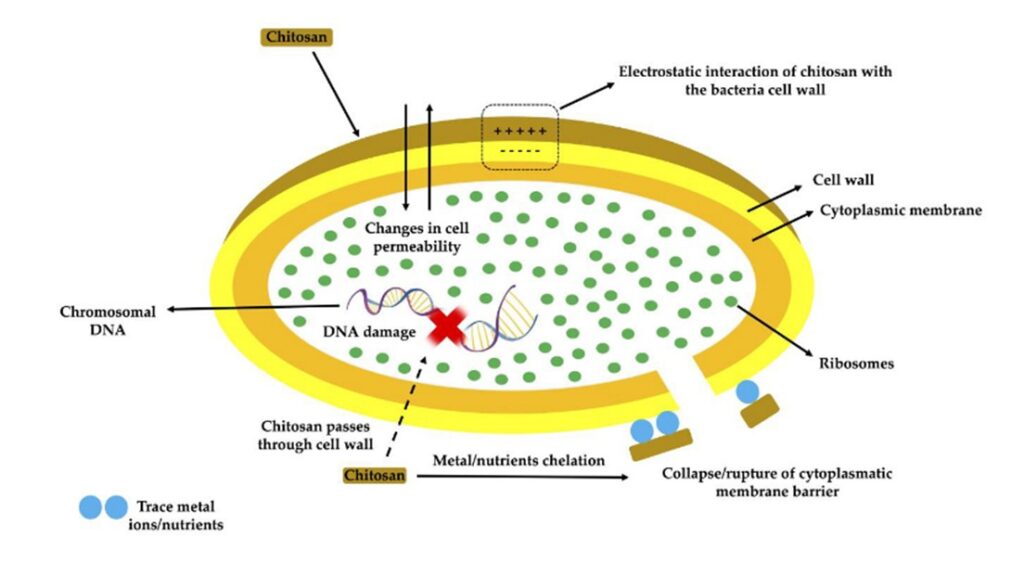
Microbial preservation has become increasingly challenging as traditional preservatives face regulatory restrictions and declining market acceptance. Chitosan provides inherent antimicrobial, antifungal, and antiviral functionality via electrostatic binding to negatively charged microbial membranes, leading to membrane disruption and inhibition of replication.
Chitosan-containing coatings have demonstrated application in hygiene-sensitive environments, architectural interiors, institutional surfaces, and cultural‐heritage protection systems.[7] Unlike conventional preservatives used solely as additives, chitosan can function simultaneously as structural polymer + antimicrobial, reducing the need for synthetic biocides.[8]
Film-Forming and Barrier Capabilities
Chitosan forms clear, continuous films when processed under mildly acidic aqueous conditions due to strong hydrogen bonding in the polymer network. These films can serve as oxygen and aroma barriers and support protective surface coating development in eco-focused systems.[3]
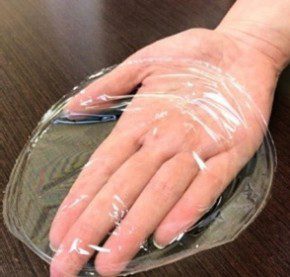
Because the material is hydrophilic, coatings exposed to moisture require crosslinking, hydrophobic modification, or incorporation of nanocomposites to achieve durable long-term performance.
Corrosion Protection and Metal Chelation
Corrosion protection represents one of the most compelling application areas for chitosan in coatings.[3] Chitosan’s amine and hydroxyl groups coordinate metallic ions and absorb to metal substrates, creating protective complexes that limit penetration of corrosive species such as oxygen, water, and chloride ions.
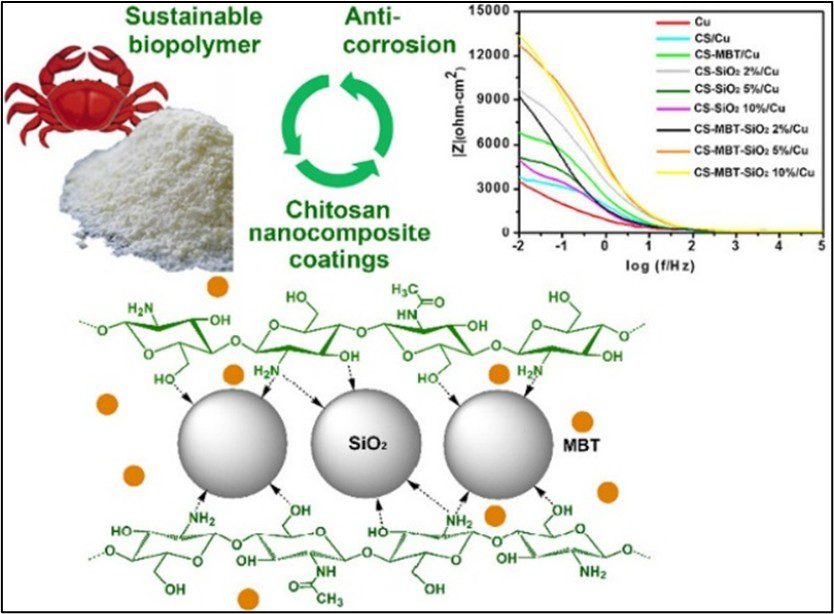
Chitosan coatings have demonstrated passivation capability by forming adherent chitosan–metal complexes that stabilize the substrate and retard electrochemical corrosion reactions. Reinforcement through nanomaterials such as graphene oxide, silica, or zinc oxide (ZnO) further enhances structural integrity and electrochemical resistance.[10] Reported results include promising protection of steel, aluminum, and copper while eliminating heavy metals and phosphate-based inhibitors.[11]
Formulation Considerations[12]
As a unique cationic multifunctional raw material, chitosan does not conform to traditional formulating guidelines. Instead, it requires an understanding of several variables that can affect its overall behavior in paint formulas. It is likely that these complications have contributed to its nascent use. Special attention should be given to these areas.
Solubility and pH Sensitivity
Native chitosan is only soluble in acidic aqueous solutions by protonation of amine groups, which complicates direct blending into neutral or alkaline latex paints or many waterborne binder systems. To incorporate chitosan, you often must use water-soluble salts (acetate, lactate) or chemically modified chitosan derivatives that are soluble at neutral pH. This adds processing steps or requires careful pH control.
Viscosity and Rheology
Chitosan solutions can be highly viscous even at low solids when using high MW grades. This affects sprayability, film formation, and compatibility with typical paint rheology modifiers. Precise use and control of chitosan MWs and solids level is necessary. Blending into existing paint formulas may require adjustments to the rheology package.
Water Sensitivity and Barrier Performance
Pure chitosan films are hydrophilic and can be water-sensitive and swell in high humidity conditions, leading to reduced film integrity. For more durable coatings exposed to moisture, chitosan typically requires crosslinking, blending with hydrophobic polymers, or incorporation of nanofillers to reach acceptable water resistance.
Adhesion and Mechanical Performance
High-MW chitosan used in coatings can be brittle, requiring plasticizers or copolymers to add more flexibility. Substrate adhesion and long-term toughness can be increased by adding crosslinking agents or compatibilizers to create a stronger composite matrix.
Antimicrobial Effects
While chitosan is antimicrobial, it can interact with other formulation ingredients like anionic pigments, surfactants, and binders. Its cationic nature leads to complexation and potential pigment flocculation or binder destabilization if not managed with proper dispersants and pH control. Long-term formula stability should be evaluated under standard testing conditions.
Regulatory and Sensory Constraints (for Edible Applications)
Chitosan is approved by the U.S. Food and Drug Administration for use in food contact. For edible coatings, regulatory acceptance, organoleptic (taste/feel) impacts, and traceability of raw material sources (shellfish allergens) must be addressed if such coatings contact food. Non-animal fungal chitosan helps mitigate allergen concerns but may require separate regulatory validation.
Other Considerations
Native chitosan is acidic-soluble only, requiring salt derivatives or modifications for latex systems. High-MW grades significantly influence viscosity and rheology. Hydrophilicity requires compensation strategies in humid environments. Cationic behavior requires management when interacting with anionic pigments or resins. These complications explain its nascent emerging adoption, as formulators must compensate for varying chemical behaviors of chitosan.
Sources of Chitosan
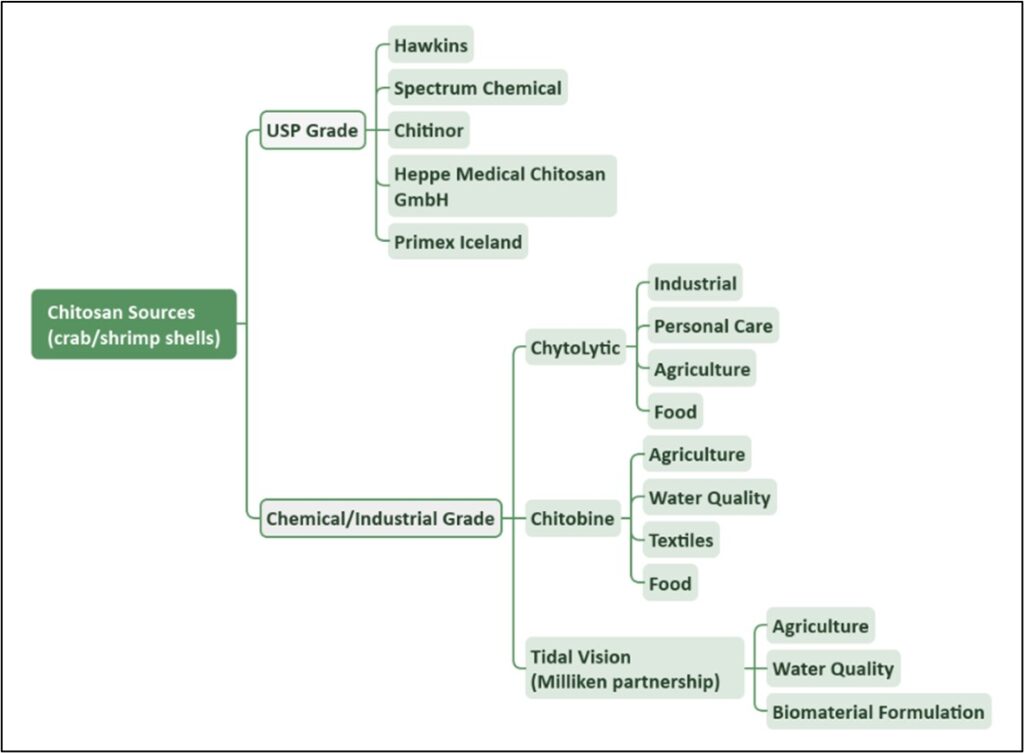
There are multiple domestic suppliers and specialty producers of chitosan and its derivatives (see Figure 6). Products are divided into commercial and USP (pharmaceutical) grades and offer multiple grades and forms (salts, low MW, high MW, water-soluble derivatives) used by formulators. Commercial chitosan grades are tailored for use in packaging, food, cosmetics, agriculture, coatings, water quality, and other industrial uses, while medical and pharmaceutical grades meet the needs of those formulating medical devices and implant coatings and pharmaceuticals.
Recently, Milliken & Co., a large privately held chemical manufacturer serving the textile, flooring, chemical, and healthcare sectors, has invested in Tidal Vision, a regional chitosan supplier.[13] The partnership is designed to accelerate the introduction of biodegradable chemistries across Milliken’s served markets and helps drive the company’s sustainability goals.
(Source: The ChemQuest Group, Inc.)
Conclusion
Chitosan represents a next-generation opportunity material for coatings innovators, delivering sustainability claims alongside functional coatings benefits such as antimicrobial performance, barrier ability, chelation-driven corrosion mitigation, and environmental compatibility. Supplier availability and patent activity continue to expand. Multiple granted patents and industry investment demonstrate movement toward chitosan-enabled coatings addressing antimicrobial, anticorrosion, and structural innovation. Academic research further supports reinforcement strategies, nanocomposites, and hybrid chitosan-binder systems. These developments indicate accelerating readiness for broader use across architectural, marine, protective, and specialty coatings.
While formulation integration demands technical rigor, advancements in derivative chemistry, composite design, and processing methodology are rapidly expanding opportunities for commercialization. In response to increasing sustainability pressure and performance expectations, chitosan is positioned to play a meaningful role in the future of coatings technology.
To learn more, reach out to the author at vscarborough@chemquest.com.
Read in PCI.
References
- EU Corporate Sustainability Reporting Directive (CSRD), Canadian CSA ESG Guidance (2022), and US SEC Climate Disclosure Rules. All require public companies to report GHG emissions, climate risks, governance, and strategies.
- “U.S. Market Analysis for the Paints & Coatings Industry (2023 – 2028),” American Coatings Association and The ChemQuest Group, https://www.paint.org/programs-publications/publications/us-and-global-market-analysis/.
- M.H. Sarfraz, S. Hayat, M.H. Siddique, B. Aslam, A. Ashraf, M. Saqalein, M. Khurshid, M. F. Sarfraz, M. Afzal, and S. Muzammil, “Chitosan-based Coatings and Films: Perspective on Anticorrosion and Sustainable Coatings,” Prog Org Coat, 2024, 188, 108235.
- Comprehensive Biomaterials II, 2017, 2, 279 – 305.
- S.M. Mawazi, M. Kumar, N. Ahmad, Y. Gi, and S. Mahmood, “Recent Applications of Chitosan and Its Derivatives in Antibacterial, Anticancer, Wound Healing, and Tissue Engineering Fields,” Polymers, 2024, 16(10), 1351.
- “Chitosan Market by Source (Shrimp, Crab, Squid, Fungal), Application (Water Treatment, Biomedical, Food & Beverages, Cosmetics, Agriculture), End-Use Industry, and Region – Global Forecast to 2034,” Reports and Data, April 2024.
- M. Zheng, “Antiviral Activity of Chitosan and Its Derivatives: A Review,” Carbohydrate Polymers, 2020, 227, 115831.
- Chitosan-containing Coating Compositions that Improve Elongation, Thermocycling, Reduce Leaching and Diminish Fungal/Mildew Defacement, The Sherwin-Willaims Co, US Patent 12,398,278 B2, 2025.
- P. Cazón and M. Vázquez, “Mechanical and Barrier Properties of Chitosan Combined with Other Components as Food Packaging Film,” Environ Chem Lett, 2020, 18, 257-267.
- L. Wang, “Chitosan–ZnO Nanocomposite Coatings for Steel Corrosion Protection,” Appl Surf Sci, 2019, 493, 625-635.
- H.S. Bahari, F. Ye, E.A.T. Carillo, C. Leliopoulos, H. Savaloni, and J. Dutta, “Chitosan Nanocomposite Coatings with Enhanced Corrosion Inhibition Effects for Copper,” Int J Biol Macromol, 2020, 162, 1566-1577.
- C. Thambiliyagodage, M. Jayanetti, A. Mendis, G. Ekanayake, H. Liyanaarachchi, and S. Vigneswaran, “Recent Advances in Chitosan-Based Applications—A Review. Materials 2023,” 16, 2073.
- “Milliken & Company Announces Investment in Tidal Vision,” www.milliken.com/en-my/blogs/milliken-and-company-announces-investment-in-tidal-vision.